
Best Reps Jewelry on Kakobuy
Jewelry is the easiest thing in the world to copy and the hardest thing on this site to judge. A cross, a monogram flower, a Medusa head, an interlocking logo — a shape is just geometry, and a CNC mill reproduces geometry perfectly for a few dollars. Photograph it well and a $20 pendant is indistinguishable from a $900 one. What the photograph cannot show you is the part that decides everything: what the piece is actually made of, and how thick the plating is. That matters more here than in any other category, because jewelry is the only thing on this site that sits against your skin for twelve hours a day and is judged not on the day it arrives but on how it looks a year later. So the rule for this category is simple: you're buying the metal, not the motif. This guide ranks the jewelry worth buying on Kakobuy Drop — from $13.58 — and then teaches you the material tiers, the three tests to run when the parcel lands, and the one type of jewelry you should buy real.
Which reps jewelry is actually worth buying?
Ranked by price, cheapest first. Every piece below was checked live before publishing, and the type of each one was confirmed from its own product photo rather than its listing title — several of these listings have titles that are pure noise:
| Pick | Type | Price | Retail |
|---|---|---|---|
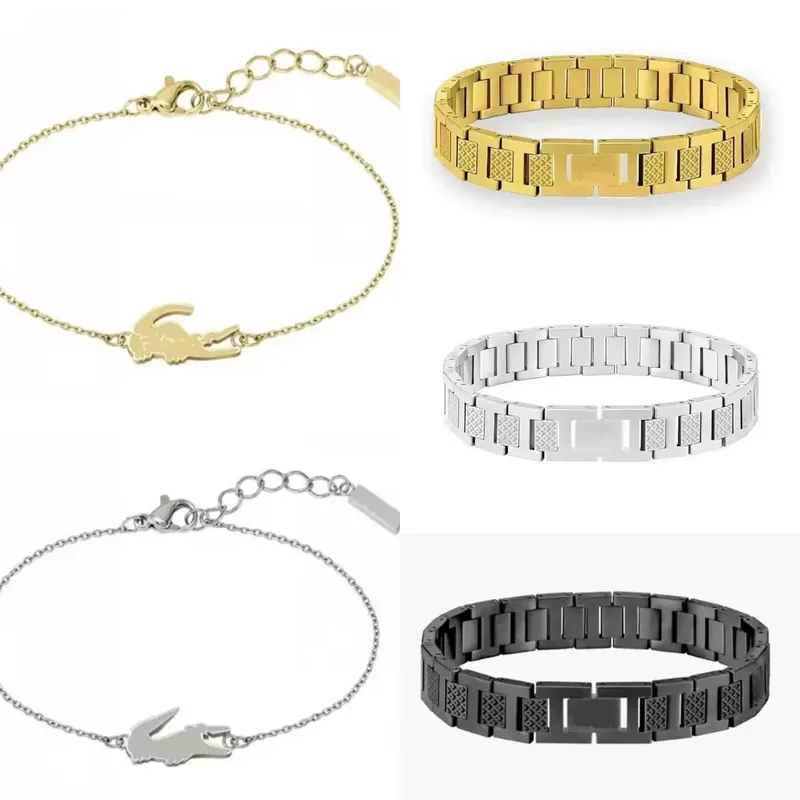
| Crocodile Charm Chain Bracelet | Charm bracelet | $13.58 | $48–198† |
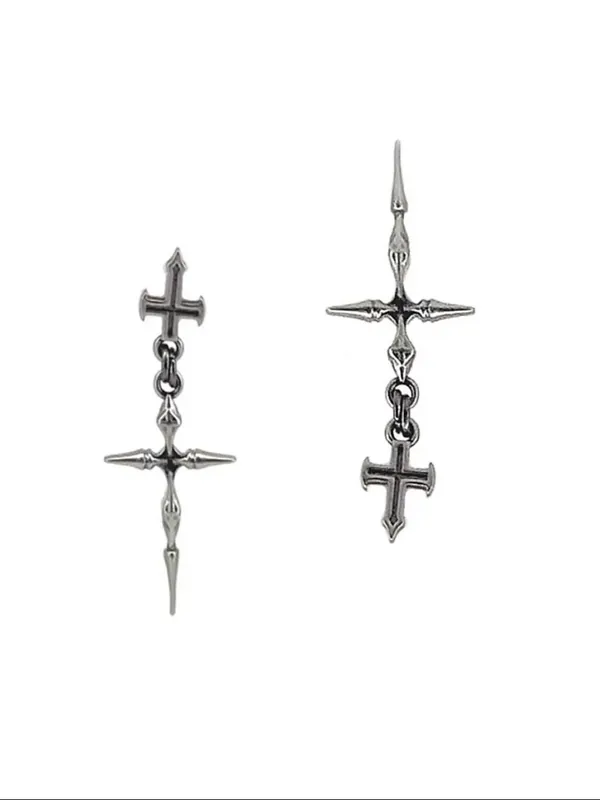
| Gothic Cross Drop Earrings | Earrings | $14.84 | $890+* |
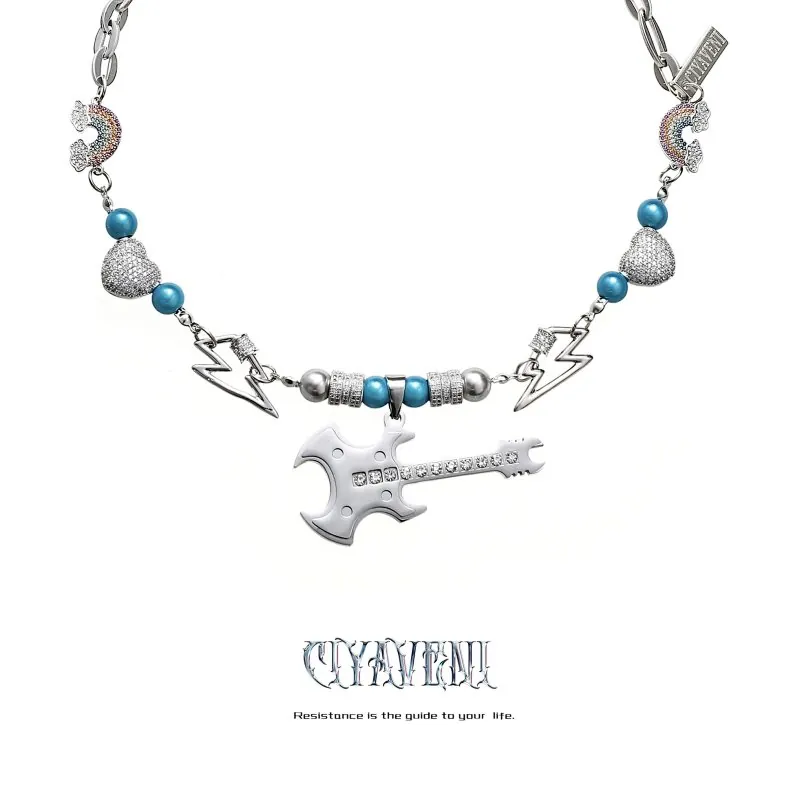
| Guitar Pendant Statement Necklace | Necklace | $18.18 | — |
| Steel Link Bracelet | Link bracelet | $18.98 | $700–780 |
| Crystal & Pearl Stud Earrings | Earrings | $31.76 | — |
| Gothic Cross Statement Ring | Ring | $33.25 | $890+* |
| Enamel Hinged Bangle | Bangle | $33.75 | $700–780 |
| Crystal Cross Pendant Necklace | Necklace | $36.43 | $890+* |
| Monogram Flower Bracelet | Chain bracelet | $46.02 | — |
| Arrow Motif Band Ring | Ring | $47.78 | $240–365 |
| Medusa Curb Chain Bracelet | Chain bracelet | $47.78 | $390–650 |
| Lock Style Hinged Bangle | Bangle | $63.76 | $7,950‡ |
Browse all reps accessories and jewelry →
Retail figures were checked in July 2026 against official sites and major authorized retailers. Where a dash appears we could not verify a current official price this month and would rather show nothing than invent a number — luxury jewelry sites block automated access almost universally, and a guessed figure is worse than no figure. *Chrome Hearts-style pieces are quoted at resale: the brand runs no official online store, so there is no MSRP to compare against, and sterling cross pendants start around $890 on the resale market. † The charm bracelet is benchmarked against Mejuri's solid sterling silver bracelets ($48–$198), because a plain charm chain has no luxury equivalent worth quoting. ‡ Cartier's Love bracelet at $7,950 is the reference point for the solid-gold hinged bangle genre, not the retail price of the specific piece this one echoes.
The one rule: you're buying the metal, not the motif
Every category on this site has one thing that decides the buy. For a cap it's the embroidery. For slides it's the sizing. For sunglasses it's the lens you can't photograph. Jewelry has an invisible half too, but it is a completely different one — and the tests and fixes are different, so don't carry the sunglasses logic over. With sunglasses the hidden part is optical function: does the lens really block UV. With jewelry the hidden part is material: what is under the shine, and how long will the shine last.
Four tiers cover essentially everything sold in this category:
- Solid 925 sterling silver. The good tier. Under US rules a piece may only be called sterling if it is at least 925 parts per thousand pure silver. It tarnishes — that's silver doing what silver does — but tarnish is surface, and a silver cloth takes it straight back off. A solid sterling piece is the only tier that survives being polished, which is why it's the only one that gets better value the longer you keep it.
- 316L stainless steel. The quietly sensible tier. Cheap, hard, won't tarnish, won't go green, holds a polish for years. It does contain nickel, but bound in the alloy rather than sitting on the surface, so release is low. Steel is why plain link bracelets and chains punch far above their price.
- Brass or copper with gold plating. The great majority of gold-coloured jewelry, rep or retail. Everything depends on how thick the plating is. The US FTC only permits the word "vermeil" where there is a sterling silver base plated with at least 10-karat gold to a minimum thickness of 2½ microns — and the same rules say it's deceptive to call something vermeil if the silver has been covered with a base metal such as nickel and then gold-plated. Note what is not regulated: for the plain phrase "gold plated" the current Guides set no micron floor at all, only a vague requirement of "reasonable durability". That gap is exactly why a $20 piece and a $300 piece can wear the same two words.
- Unspecified "alloy" — usually zinc. The tier to be wary of. Light in the hand, feels hollow, plating goes through quickly, and it's where the green fingers and the nickel rashes live.
Sellers almost never tell you which tier you're getting. Occasionally one does, and it's worth reading carefully when it happens: the lock style hinged bangle on this list carries a seller spec line stating 1.0-micron gold electroplating. That's a useful, honest number — and it's under half the 2.5 microns the FTC requires before a piece can even be called vermeil, on a base that isn't sterling either. That doesn't make it a bad buy at $63.76. It tells you precisely what you're buying: a well-made, heavy, CNC-finished bangle whose colour is a coating with a finite life, not a permanent property. Buy it knowing that, treat it well, and you'll be happy. Buy it expecting gold, and you won't.
Pick by type
Grouped the way you should actually shop: by what you'll wear, not by whose logo is on it.
Rings — the highest-wear piece you own
A ring takes more abuse than any other jewelry: it's in your pocket, on the steering wheel, under the tap. Plating on the underside of a band is the first thing to go anywhere on this list, which makes a ring the piece where material honesty matters most. The gothic cross statement ring at $33.25 is a big, heavily sculpted piece in an antiqued silver-tone finish — an ornate, blackened-recess design that hides wear far better than a plain polished band would, which is a genuine practical advantage for this style. The arrow motif band ring at $47.78 is a pierced-through band in a bright silver-tone; it echoes a designer arrow ring that retails $240–$365 and is itself brass, so on material you are trading almost nothing. In QC, ask for a shot of the inside of the band: that's where finish quality shows, where the plating will fail first, and where a rough casting seam would rub. Size carefully — rings are the one jewelry type with real sizing risk, and most of these listings run one size or a short range.
Bracelets and bangles — where the money and the weight are
This is the strongest sub-category on the site: four picks, four completely different builds. Cheapest is the crocodile charm chain bracelet at $13.58, a fine cable chain with a small animal charm in gold- or silver-tone — a delicate everyday piece that stands against demi-fine sterling bracelets in the $48–$198 band. The steel link bracelet at $18.98 is the value pick of the whole page: a flat-link steel bracelet with a logo-motif centre clasp, in the material tier that genuinely lasts. The enamel hinged bangle at $33.75 is the classic enamel-and-gold-tone clasp bangle, in pale pink here, echoing a piece that retails around $700–$780 — and note that the original is itself plated metal with enamel, not precious. The Medusa curb chain bracelet at $47.78 is the heavy one: a chunky guilloché curb chain with a medallion clasp, against a $390–$650 gold-plated original.
Two things to check on any bracelet in QC. First, the clasp — it is the only moving part and it is where cheap pieces fail. A hinged bangle should close with a positive click and sit flush with no gap; a lobster clasp should have a firm spring. Second, the link joins: zoom on the solder points. Clean, filled joints are a well-made chain; visible gaps or blobbed solder mean it will pull apart at the weakest link.
Necklaces and pendants — the one place original design shows up
The crystal cross pendant necklace at $36.43 is a pavé-set cross in pink stones on a beaded chain, the Chrome Hearts-style piece on this list — and worth being precise about, because Chrome Hearts sells no jewelry online at all, so the only comparison available is a resale market where sterling cross pendants start around $890. One thing to flag honestly: listings like this often ship with replica pouches, cards and even printed receipts. Those add nothing to the piece, and a parcel full of branded packaging is more conspicuous at a border than the item alone — if the seller offers a choice, take the plain option.
The guitar pendant statement necklace at $18.18 is the outlier on this page and the most interesting pick on it: a chunky chain hung with a pavé guitar, lightning bolts, hearts and turquoise beads from a small Chinese design label. It isn't a replica of anything — it's an original design that happens to be sold through the same catalogue. There's no retail comparison to make because there's no original to compare to, and that's the point: at $18.18 you're buying the design outright rather than borrowing someone else's. If the idea of an obvious logo bothers you, this is the pick.
Earrings — read the section below before you buy these
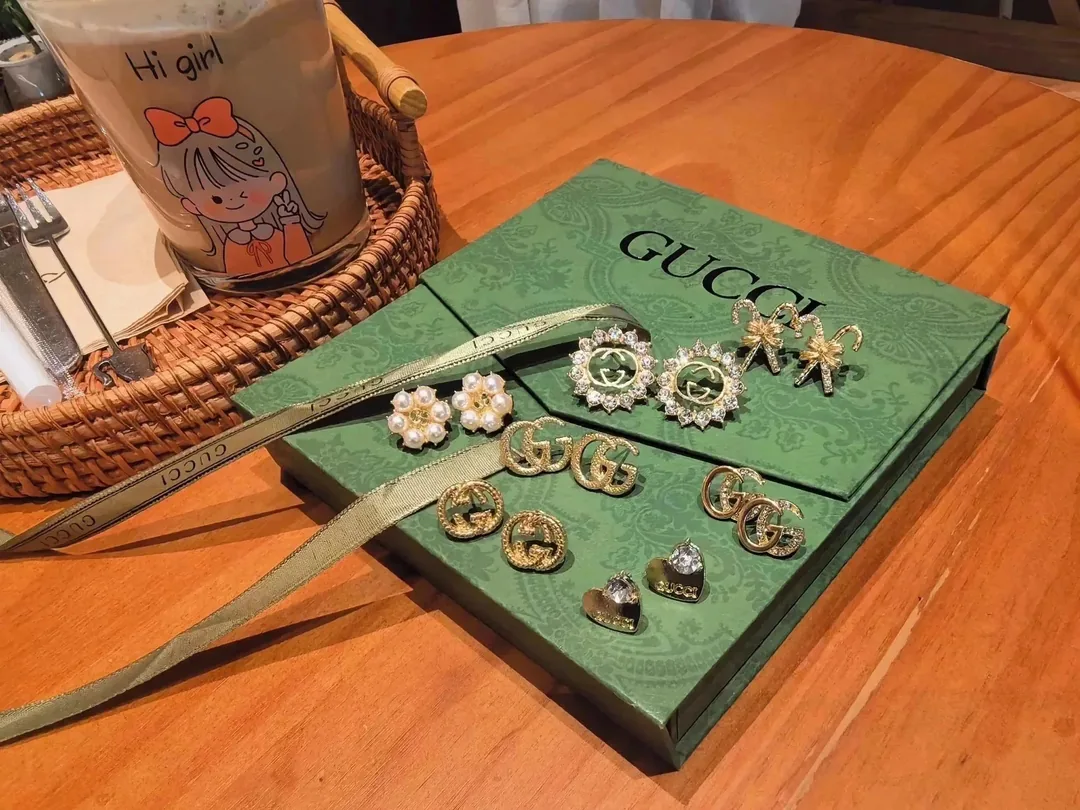
Two picks here, and a serious caveat that follows. The gothic cross drop earrings at $14.84 are a mismatched pair of blackened silver-tone crosses on short chain drops — the cheapest way onto this page and a genuinely good-looking pair. The crystal and pearl stud earrings at $31.76 is a multi-variant listing of small dress studs: pavé-set logo studs, pearl flowers, crystal hearts and bows, in gold-tone. Both are the kind of piece that photographs beautifully.
Both also go through a hole in your body, which puts them in a different risk class from everything else on this list. Read the piercing section before ordering either.
The 60-second QC check for jewelry
Reading jewelry in QC is unusual because the photo answers only half the question — but the half it answers, it answers very well. Work through it in this order:
- Solder joints and seams. Zoom every join: chain links, where a pendant meets its bail, where a charm meets the chain. Clean and filled is good. Gappy, lumpy or discoloured solder is where the piece will break, and it's the single most reliable indicator of factory quality.
- Stone setting: prongs or glue? Set stones sit in little metal claws or a channel. Glued stones sit in a shallow cup with visible adhesive at the edge, and they fall out. On any pavé piece, look for even, symmetrical stones with no adhesive haze between them. This is the most common failure on crystal-set jewelry.
- Plating evenness at the edges. Plating goes on thinnest where a surface curves sharply. Check the outer edge of a bangle, the tips of a cross, the high points of an engraving — if the colour is already slightly different there in the photo, it's thin, and that's where it will wear through first.
- Engraving and casting crispness. Good casting gives sharp, deep detail with clean recesses. A soft, rounded, slightly melted look means a worn mould or too much polishing — the piece will read as cheap from a metre away, which is the only distance anyone will see it from.
- The clasp, worked. Ask for a photo of the clasp closed. A hinged bangle should sit flush; a lobster clasp should be a proper spring mechanism, not a bent hook.
What a photo can never show: the alloy underneath, the plating thickness in microns, and the nickel release. No amount of zoom gets you those. Which is why you run the tests below when it lands.
Three tests to run when it arrives
None of these needs equipment, and together they'll tell you what you actually bought:
- The magnet test. Gold, silver, copper, brass and zinc are all non-magnetic. If the piece jumps to a fridge magnet, it has an iron or steel core. Know the limitation, though — this test can only tell you what a metal isn't. Passing it proves nothing, because brass and zinc alloy sail through it just as easily as sterling would.
- The heft test. Weigh it in your palm against something you know. A solid sterling or steel piece has a density you can feel; zinc alloy feels light and hollow for its bulk, and warms up in your hand almost instantly.
- The two-week skin test. This is the one that matters. Wear it normally for a fortnight and watch the contact area. Nothing happening is a good sign. Green means copper in the base is reacting with your skin — cosmetic, harmless, washes off, and a signal the plating is thin or already through. Itching, redness or a rash is different: that's a nickel reaction, and you should stop wearing the piece rather than push through it.
Ready to order?
- Pick a type above — the steel link bracelet is the safest first buy at $18.98 because steel is the tier that lasts, and the Medusa curb chain is the biggest visual return.
- Click through to Kakobuy — or swap to any of the 15 agents we support on the product page.
- Choose colour or size where there's an option; rings are the one type where sizing matters, so measure first.
- Wait for the QC photo, then zoom the solder joints, the stone settings and the clasp. Approve, pay shipping, and run the three tests when it lands.
New to agents? Start with the full how to use Kakobuy guide, then browse all accessories and jewelry, or see the wider best Kakobuy finds across every category. Since jewelry ships light, our shipping guide shows how to slot a few pieces into a bigger order for almost nothing.
Frequently asked questions
How much does reps jewelry cost on Kakobuy?
From about $13.58 for a fine charm chain bracelet up to roughly $64 for a heavy lock-style bangle, with most picks sitting in the $18–$48 band. That is the cheapest category on the whole site to try, and the cheapest to ship — a bracelet weighs a few grams. But price is the least interesting thing about jewelry. What decides whether a piece is still wearable in a year is the metal underneath the plating, and that is the one thing no QC photo can show you. Read the material tiers below before you pick anything.
What is reps jewelry actually made of?
Almost always a base metal with a thin plated finish. The tiers, best to worst: solid 925 sterling silver (tarnishes but polishes back), 316L stainless steel (cheap, tough, will not tarnish), brass or copper with gold plating, and unspecified "alloy" — usually zinc — which is the tier that goes green and is the most likely to release nickel. Sellers rarely tell you which one you are getting, but occasionally they do: one of the picks on this page has a seller spec line stating 1.0-micron gold electroplating. For context, the US FTC only lets a piece be called "vermeil" if it has a sterling silver base and at least 2.5 microns of gold, so 1.0 micron over a base metal is well under half the plating of the cheapest thing that legally earns that name. That is not a scandal — it is normal for the price — but it tells you honestly how long the colour will last.
Does a "925" stamp mean the piece is real silver?
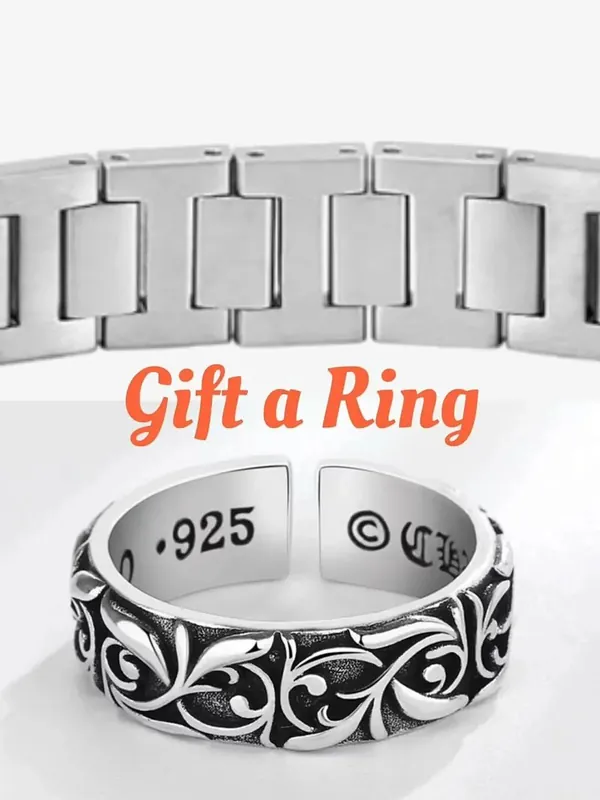
No. A hallmark is just another small piece of metalwork, and it gets copied exactly like a logo does. One listing on this page photographs its bonus ring with a crisp ·925 stamp and a maker mark inside the band — on a piece selling for a few dollars. In the US it is actually the other way round: the National Stamping Act forbids stamping "sterling" on a silver-plated article, so a plated piece carrying a 925 mark is a false marking, not a guarantee. Judge material by behaviour instead: a magnet (anything that jumps to it has an iron or steel core), the weight in your hand, and how the piece behaves against your skin over two weeks.
Will reps jewelry turn my skin green?
Some of it will, and it is a cosmetic problem rather than a dangerous one. The green is copper in the base alloy reacting with the acids and moisture on your skin to form copper salts; it washes off and fades within a few days of taking the piece off. It shows up once the plating wears through, which is why thin plating and green fingers are the same story. A clear coat of jeweller's lacquer or even clear nail polish on the inside surface delays it, as does keeping the piece away from water, sweat, perfume and hand sanitiser. Itching, redness or a rash is a different thing entirely — that points to nickel, and you should stop wearing the piece.
Is there any jewelry I should not buy as a rep?
Yes — anything that goes through a piercing. Earrings that sit in your earlobe are not resting on skin, they are sitting inside a channel through it, and the EU sets a stricter nickel-release limit for piercing posts (0.2 µg/cm²/week) than for ordinary skin-contact jewelry (0.5). The Association of Professional Piercers asks for implant-certified titanium to ASTM F-136 or 14k-plus gold in fresh piercings, and the American Academy of Dermatology names earrings and earring backs as the biggest nickel culprits, with more than 18 percent of people in North America sensitised to nickel. Rep earrings are not tested against any of this. Our line: never in a fresh or healing piercing, and if you want to wear a rep earring in a fully healed one, swap the post for a titanium or surgical-steel one. Rings, bracelets and necklaces sit on skin, not in it, and carry nothing like the same risk.
How do I make cheap plating last longer?
Treat the plating as a coating with a fixed lifespan and spend it slowly. Put jewelry on last, after perfume, lotion and hairspray, and take it off first, before showering, swimming, the gym or washing up — chlorine, sweat and detergent strip plating faster than anything else. Wipe it with a dry soft cloth after wearing, store pieces separately so they do not scratch each other, and keep them dry. Do not use silver dip or abrasive polish on a plated piece: it will scrub straight through the gold. Solid 925 is the exception — it tarnishes but a proper silver cloth brings it back, which is why sterling is the one tier that actually gets better value the longer you own it.