
Best Reps Sunglasses on Kakobuy
Sunglasses are the reps category where the copy is closest to the original and the honesty gap is widest. A frame is a shape, a hinge and a finish — all of it visible, all of it easy to copy well — so a $30 rep can photograph almost exactly like a $300 designer pair. But sunglasses are two products in one: a frame you can see and a lens you cannot. The rep nails the frame every time; the lens is a black box. That is the rule that should shape every purchase here: you're buying the frame, not the filter. This guide ranks the sunglasses worth buying on Kakobuy Drop — from $11.51 — organises them by frame shape so you buy for your face instead of a logo, and is straight about the one thing a QC photo can never show you.
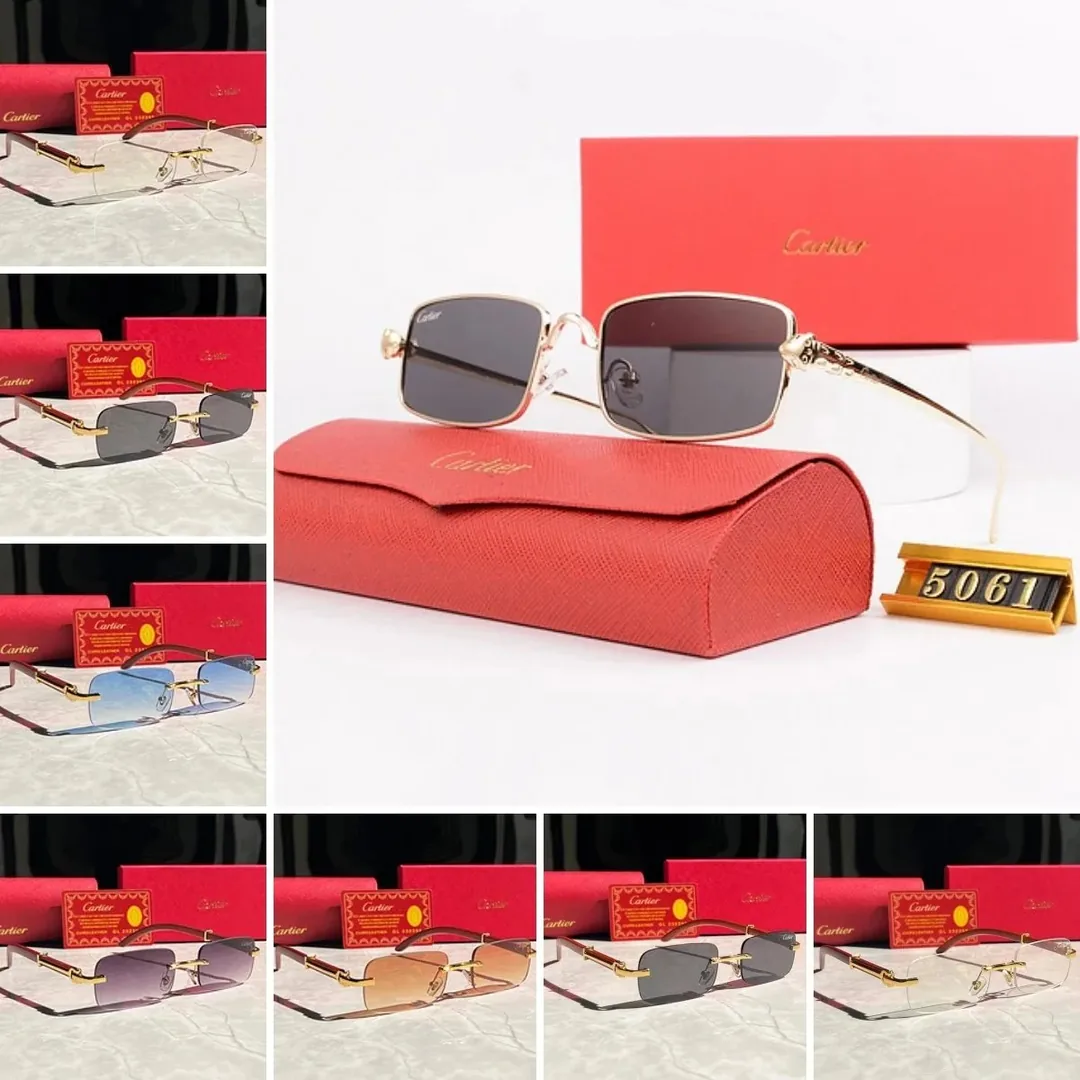
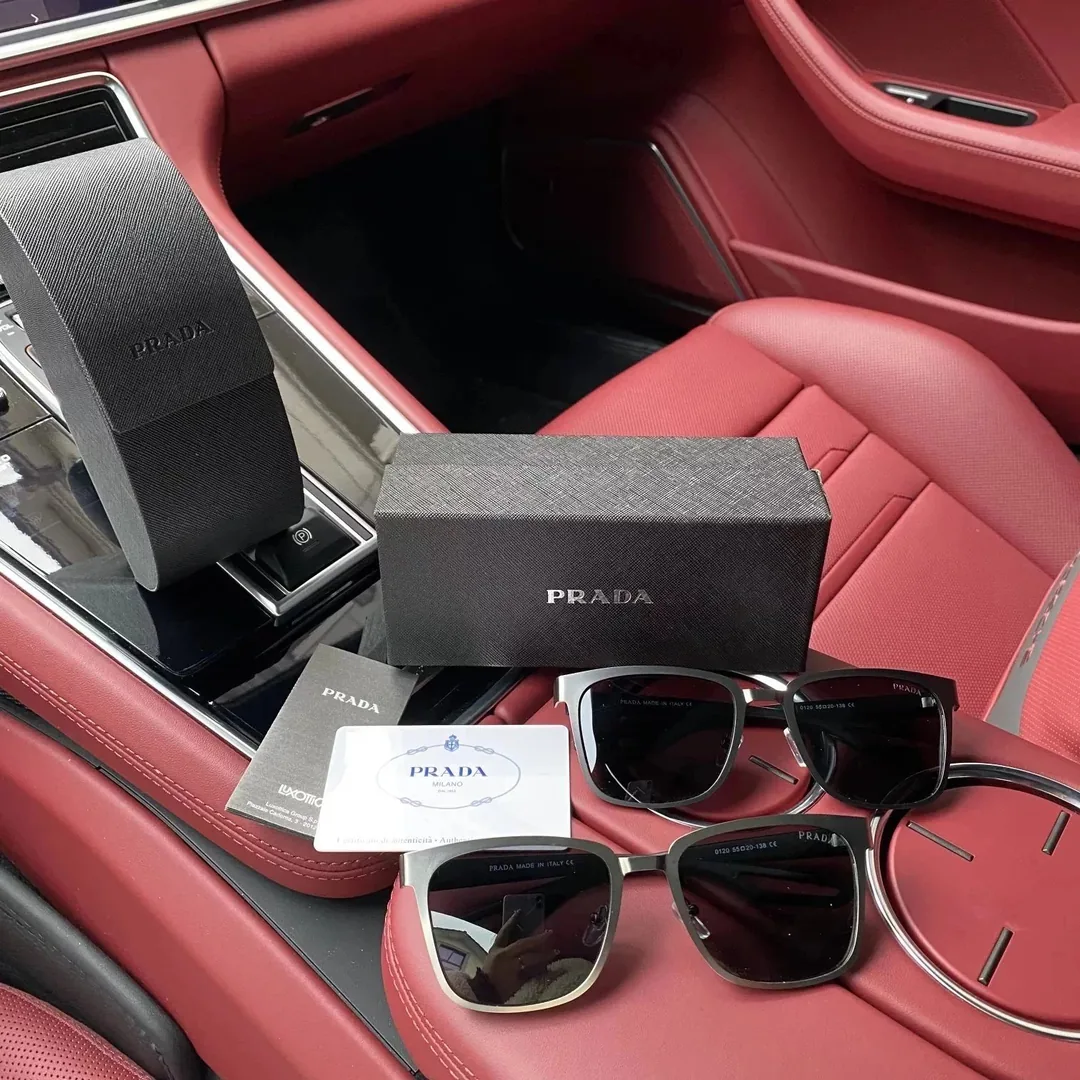
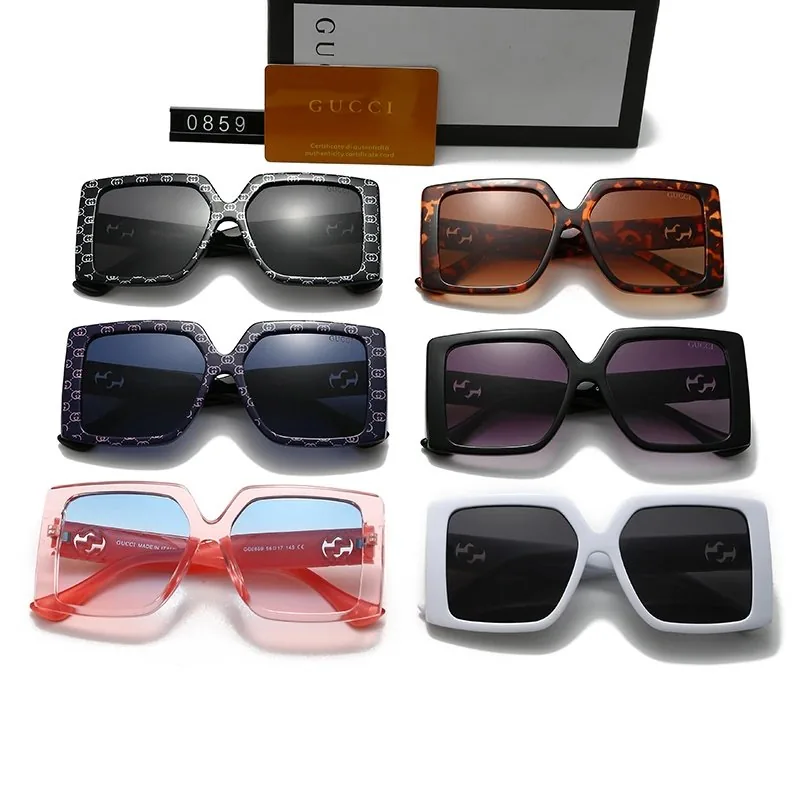
Which reps sunglasses are actually worth buying?
Ranked by price, cheapest first — with the retail price of the frame each one echoes next to it, so you can see the gap and the shape:
| Pick | Shape | Price | Retail |
|---|---|---|---|
| Street Style Sunglasses | Everyday | $11.51 | $150–450 |
| Prada-Style Polarized | Polarized | $15.82 | $350–600 |
| Retro Cat-Eye Sunglasses | Cat-eye | $20.25 | $150–450 |
| Cat-Eye Green Sunglasses | Cat-eye | $23.81 | $150–450 |
| Purple Driving Sunglasses | Driving | $23.81 | $150–450 |
| Thick Square Frame | Square | $23.97 | $150–450 |
| Reflective Print Sunglasses | Mirror | $29.72 | $150–450 |
| Lo Cell Acetate Sunglasses | Acetate | $36.59 | $150–450 |
| Gentle Monster-Style Collection | Designer | $44.58 | $255–360 |
| Polarized Lightweight Cycling | Sport wrap | $52.57 | $174–283 |
| Unisex Square Sunglasses | Square | $54.17 | $150–450 |
| New Wayfarer Classic | Wayfarer | $57.37 | $171–226 |
Browse all reps accessories & sunglasses →
Retail figures are official and authorized-retailer prices checked July 2026 — Ray-Ban and Oakley for the Wayfarer and sport picks, Gentle Monster for the designer pick, and the $150–450 designer-acetate band (Sunglass Hut, Macy's, Bloomingdale's, Solstice) for the fashion frames. Luxury eyewear is priced per model, so these are honest ranges, not point prices.
The one rule: you're buying the frame, not the filter
Before any pick, understand the framework that makes sunglasses different from a jersey or a slide. With most reps, the whole question is how close the copy looks, and the answer is on the surface. Sunglasses have a second half that no photo reaches. A pair of sunglasses is a frame you can see and a lens you cannot judge. The frame — the shape, the hinges, the finish, the logo on the temple — is exactly the part a rep copies well and a QC photo shows clearly. The lens is the part that decides whether the glasses actually protect your eyes, and it is invisible in every sense that matters.
Here is what a photo can never show you, and what genuinely separates a $300 lens from a $3 one:
- Real polarization vs. a fake. True polarization cuts glare off water, road and snow; a cheap lens can be tinted to look the same and do none of it. You cannot see the difference in a QC photo — it takes a polarization test.
- UV coating that actually works. Most reps print a "UV400" claim, but that is a sticker, not a per-unit test. And this is the part people get backwards: a dark lens that does not block UV is worse than no sunglasses at all, because the tint opens your pupils wider and lets more UV in. A real, tested lens blocks it; a cosmetic one may just be shading your eyes while doing nothing.
- Optical clarity. A properly ground lens (ISO 12312-1 optical class, consistent base curve, low distortion) keeps the world straight; a cheaply moulded one adds subtle warp and eye strain you notice after an hour. A camera cannot capture that; your eyes will.
None of this means don't buy — it means buy with the right expectation. For everyday style in normal daylight, a rep frame with a cosmetic tint is completely fine, and the value is enormous. For the moments where the lens has a real job — driving into low sun, a day on the water, snow, hours of strong glare — treat a rep as the accessory it is and keep one properly tested pair for when it counts. No spreadsheet draws this line, because it earns the same whether it sells you a fashion frame or a "polarized" lens that isn't. We would rather you knew.
Pick by shape, not by logo
The shape is what a rep actually reproduces and what decides whether the glasses suit you — so shop by face, not by badge. Here are the picks, grouped the way you should think about them.
Everyday and square — the safe, flattering default
A square or thick acetate frame is the current default and the shape that flatters the widest range of faces. Start with the Street Style pair at $11.51 — the cheapest way to own a clean everyday shape and see if you even reach for sunglasses. Step up to the Thick Square Frame at $23.97, the Lo Cell acetate at $36.59, or the Unisex Square at $54.17 for more presence and a heavier, more premium-feeling acetate. Against a $150–$450 designer acetate frame, all of these are a fraction of the price for the same shape on your face.
Cat-eye — lift and character
A cat-eye lifts the outer corners and suits softer, rounder features; it is the shape most worth trying cheaply before you commit, because it either works on you or it doesn't. The Retro Cat-Eye at $20.25 and the green cat-eye at $23.81 let you test it for the price of lunch. If it's you, you'll know instantly — and you'll have saved yourself the $200+ a designer cat-eye costs to find that out.
Wayfarer — the all-rounder
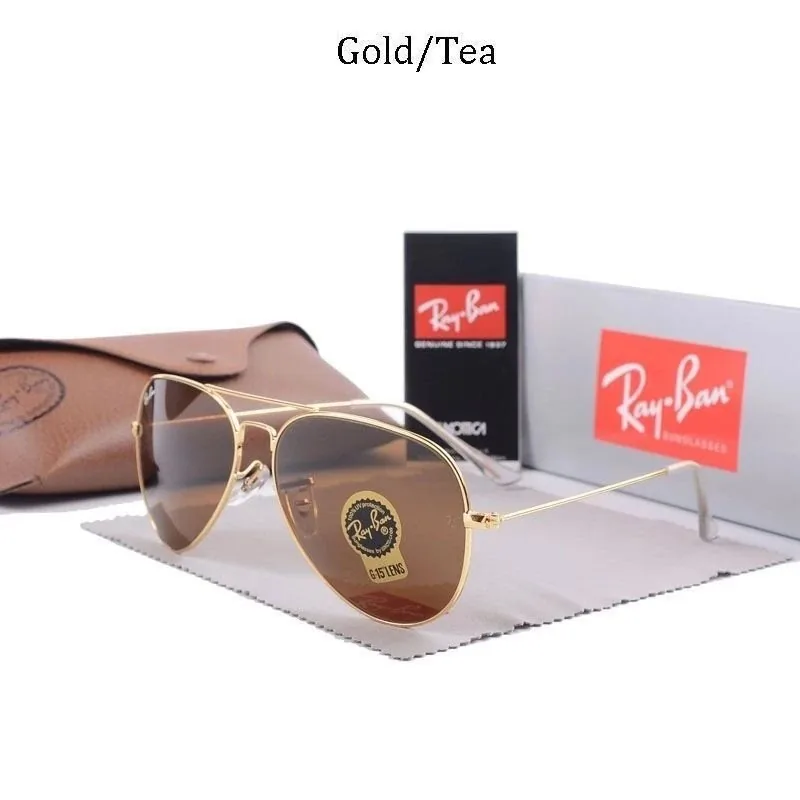
The New Wayfarer Classic at $57.37 is the safest shape there is — it suits almost everyone and never dates. It's the top of our price range and the one pick where the retail comparison is exact: a real Ray-Ban Wayfarer is $171–$226 (more for polarized), so even our priciest pick is a third of the original. If you own one pair of sunglasses, this shape is the one that always works.
Driving and polarized — where the lens matters most
The Prada-style polarized at $15.82 and the Purple Driving pair at $23.81 look the part, and for style they deliver. But read the rule above closely here: driving is precisely the case where a real polarized lens earns its keep by killing glare off the road, and a "polarized" rep may just be tinted. Buy these for the look, wear them on bright ordinary drives, but don't rely on a $16 lens to save you from low-sun glare on a motorway. That's a job for a tested pair.
Sport wrap — buy the frame, respect the lens
The Polarized Lightweight Cycling wrap at $52.57 is a genuinely good frame for movement — light, grippy, and shaped to stay on. It's also the pick where honesty matters most, because sport eyewear is the one place lens tech is a real, measurable feature: an Oakley at $174–$283 earns its price on genuine polarization, Prizm spectral filtering and an ANSI Z87.1 impact rating that a rep does not reproduce. So this is a great casual and commuting frame at a fifth of the price — but if you cycle fast, ride in traffic, or need impact protection, that is the one lens category worth buying real.
Mirror and designer — statement pieces
The Reflective Print mirror pair at $29.72 is a statement, not an everyday — a bold lens finish for the days you want it. And the Gentle Monster-style collection at $44.58 gives you that Korean-designer silhouette that retails at $255–$360, for the price of two coffees and a shape most people can't clock as a rep. These are where the "it's mostly the logo" truth bites hardest: a designer frame's premium is the badge and the silhouette, both of which a good rep carries.
The frame-maker truth that makes the premium softer
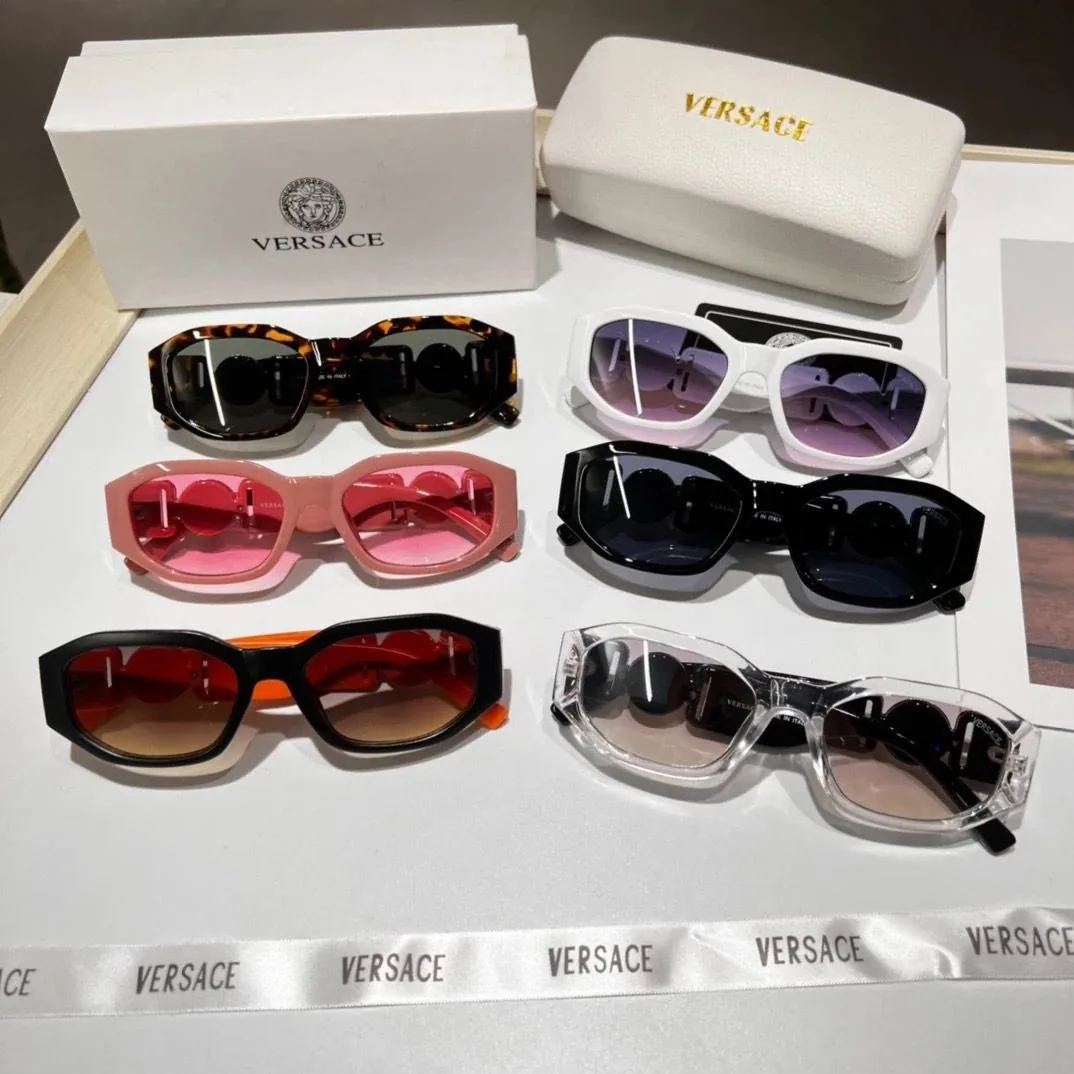
Here is the fact the luxury-eyewear world would rather you didn't dwell on: a handful of factories make most of it. EssilorLuxottica manufactures Ray-Ban, Oakley, Versace, Prada and Miu Miu; Kering Eyewear makes Gucci and Saint Laurent. So a wall of "different" designer sunglasses often comes off related production lines, and a large part of what you pay at $300–$600 is the licensing and the logo, not a secret lens the cheaper world can't touch. That doesn't make every rep as good as an original — but it does mean the premium is softer than it looks, and that the frame — the visible, copyable part — is where most of the perceived value actually lives. Which is exactly why sunglasses are one of the best-value reps categories going.
The 60-second QC check for sunglasses
Judging sunglasses in QC is a game of two halves: the frame you can check hard, the lens you check by expectation. On the frame, look at four things:
- Hinges. They should be tight and evenly set, with screws present and flush — the number-one place a cheap pair feels cheap and the first thing to loosen. Ask for a photo of the hinge open if the QC shot doesn't show it.
- Frame alignment. A hold-up shot should show both temples level and the frame symmetrical, with no twist or lean. A warped frame won't sit right on your face no matter how good the lens is.
- Lens seating. The lenses should sit fully and evenly in the rim with no gaps, lifting or visible glue smear at the edges. Uneven seating is the tell of a rushed pair.
- Logo and temple detail. If it carries a logo, it should be crisp, correctly placed and unsmudged — the same alignment check you'd do on a crest or a swoosh elsewhere on the site.
What the QC photo cannot tell you is the lens quality — polarization, UV coating and optical clarity need instruments, not a camera. So approve on the frame, and buy assuming the lens is cosmetic-grade; if it turns out better, that's a bonus, not the plan. The same honesty runs through our reps tech guide, where you buy the case, not the circuit, and our reps bags guide, where blank beats branded. Every category has one thing that actually decides the buy. For sunglasses, it's understanding that you can only ever QC half the product.
The savings, honestly
The value in reps sunglasses is real, and it is worth being clear about where it's biggest and where it comes with a caveat:
- Fashion frames are the blowout. A $23.97 square or a $44.58 Gentle Monster-style against $150–$450 designer retail is a genuine tenth-of-the-price win, because the frame is the whole product visually.
- Trying a shape is nearly free. A $20 cat-eye is the cheapest way there is to find out whether a shape suits you before you ever pay retail for the real one.
- The Wayfarer is a clean win. The $57.37 Wayfarer against a $171–$226 Ray-Ban is a third of the price for the one shape that always works.
- Sport and driving lenses come with an asterisk. The $52.57 cycling wrap is a great frame, but the Oakley lens tech it echoes is real and unreproduced — buy it for casual use, buy real if the lens has to perform.
- Never confuse a tint with protection. The saving is on the frame and the look. If you need certified UV or true polarization, that is the one thing your $16 pair may not deliver — and the one thing worth owning a tested pair for.
Ready to order?
- Pick a shape above and open its page — a square or the Wayfarer is the safest first buy, a cat-eye the most fun to try.
- Click through to Kakobuy — or swap to any of the 15 agents we support on the product page.
- Choose the colour or lens tint if there's an option, then wait for the QC photo.
- Check the hinges, frame alignment, lens seating and any logo, approve it, then pay shipping to your country — buying with the right expectation of the lens.
New to agents? Start with the full how to use Kakobuy guide, then browse all accessories and sunglasses, or see the wider best Kakobuy finds across every category. Because sunglasses ship light, our shipping guide shows how to tuck a pair or two into a bigger order without pushing the freight up.
Frequently asked questions
How much do reps sunglasses cost on Kakobuy?
They run from about $11.51 for a plain street pair up to $57.37 for a Wayfarer-style classic, with most sitting in the $20–$45 band. Against the frames they echo that is a fraction of the price: a mainstream designer acetate pair is $150–$450 at retail, a Ray-Ban Wayfarer is $171–$226, an Oakley sport lens is $174–$283, and a Gentle Monster runs $255–$360. So the money you save is real and large. Just be clear about what that money is buying — the frame and the look, not a certified lens. That is the whole point of this guide.
Do reps sunglasses have real UV protection?
Assume not, unless you can prove it — and you usually cannot from a photo. Most reps lenses carry a printed "UV400" sticker, but that is a self-declared claim, not a per-unit test, and a QC photo cannot show you UV transmission, real polarization or optical distortion. Here is the part that matters: a dark lens that does not actually block UV is worse than wearing nothing, because the tint makes your pupils open wider and lets more UV reach your eyes. For everyday style in normal daylight, a rep is fine — your pupils are not wide open and the risk is low. For driving into glare, water, snow or long hours in strong sun, treat a rep as a fashion accessory and keep a real, tested pair for when the lens genuinely has a job to do.
Which sunglasses frame shape should I buy?
Buy the shape, not the logo — the shape is what a rep actually nails and what decides whether they suit your face. A square or thick acetate frame is the current default and flatters most faces; a cat-eye lifts and suits softer, rounder features; a Wayfarer is the safe all-rounder; a sport wrap is for movement and glare, not for fashion; and a mirrored or reflective lens is a statement, not an everyday. Because reps copy the frame faithfully and cost $20–$50, they are the cheapest way there is to try a shape you have never worn and find out if it is you — do that before you ever pay $300 for the real version.
How do I QC a pair of sunglasses?
A QC photo can confirm everything about the frame and nothing about the lens, so check the frame hard and judge the lens by expectation. On the frame: look at the hinges (they should be tight and evenly set, screws present), the frame alignment (hold-up shots should show both temples level and symmetrical, no twist), the lens seating (lenses fully and evenly seated in the rim, no gaps or glue smear), and any logo or temple detail (crisp, correctly placed, not smudged). What the photo cannot show is the lens quality — true polarization, UV coating and optical clarity need instruments, not eyes — so buy assuming the lens is cosmetic-grade and be pleasantly surprised if it is better. Approve on the frame; never expect the photo to vouch for the lens.
Are Ray-Ban, Gentle Monster or designer sunglasses worth repping?
For the look, yes — that is exactly where reps make sense, because the frame is the visible part and a $50 rep of a $300 Gentle Monster or a $200 Ray-Ban photographs almost identically. One fact makes the premium look even softer: the same handful of factories make most designer eyewear. EssilorLuxottica makes Ray-Ban, Oakley, Versace, Prada and Miu Miu; Kering makes Gucci and Saint Laurent — so a lot of "different" logos come off related production lines, and much of what you pay for is the badge, not a secret lens. Where the logic breaks is Oakley-style sport eyewear, whose lens tech (real polarization, Prizm filtering, ANSI Z87.1 impact rating) is a genuine, measurable feature a rep does not reproduce. Rep the fashion frames; buy the sport lens real.
How do I buy sunglasses on Kakobuy?
Open the product page, click through to Kakobuy or whichever of the 15 agents you prefer, pick the colour or lens tint if there is a choice, and wait for the QC photo. Check the hinges, frame alignment, lens seating and any logo, approve it, then pay shipping. Our how-to-use guide covers sign-up, the coupon and the shipping lines. Sunglasses are light and small, so they are among the cheapest things to ship and an easy, low-risk way to round out a bigger order — a pair or two tucked into a jersey or streetwear haul barely moves the freight.