
Best Reps Caps & Hats on Kakobuy
A cap is the most logo-dependent thing you can buy. The blank underneath — six panels, a brim, a closure — is a commodity that costs a few dollars to make and looks the same on a $3 market stall or a $500 designer shelf. What you are actually paying for is the badge on the front, and that is the whole reason caps and beanies are such good reps: copy the badge well and you have copied ninety-five percent of the product. It is also the exact opposite of the rule for bags, where blank beats branded — with a hat, the logo is the whole hat, and the one thing that separates a good rep from a bad one is the embroidery. This guide ranks the caps and hats worth buying on Kakobuy Drop — from $5.05 — organises them by type so you buy the shape you'll wear, and shows you exactly how to judge the stitch.
Which reps caps and hats are actually worth buying?
Ranked by price, cheapest first — with the retail price of the hat each one echoes next to it, so you can see the gap and the type:
| Pick | Type | Price | Retail |
|---|---|---|---|
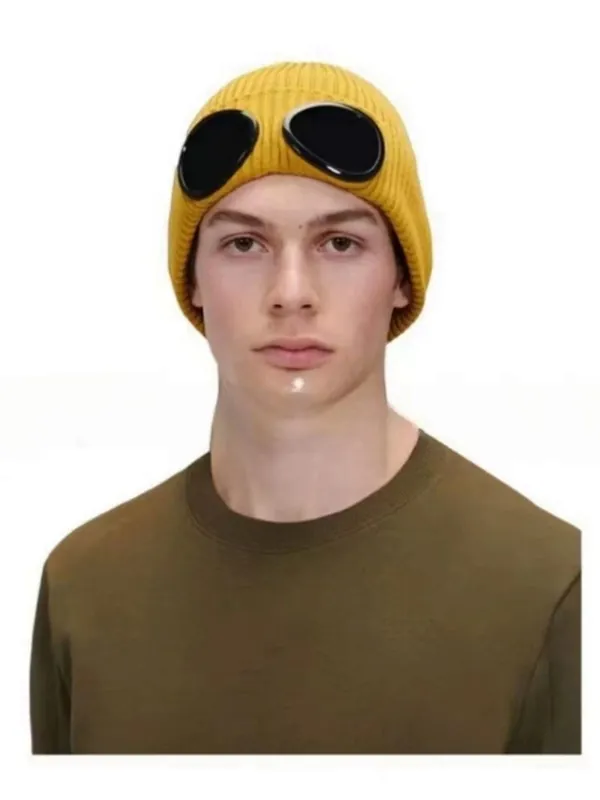
| Knit Goggle Beanie | Beanie | $5.05 | $180 |
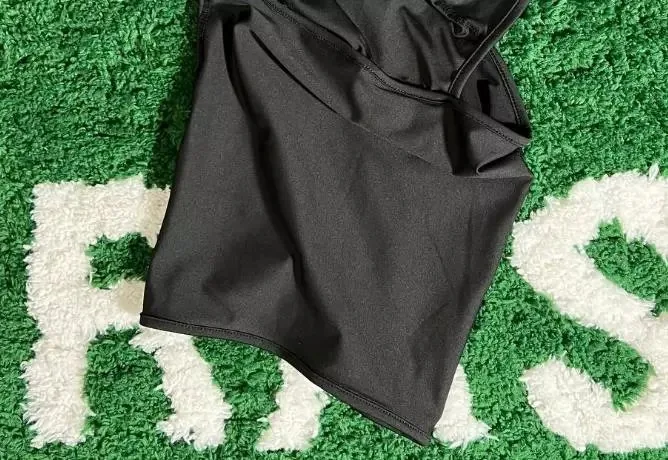
| Balaclava Ski Mask | Balaclava | $5.91 | $25–70 |
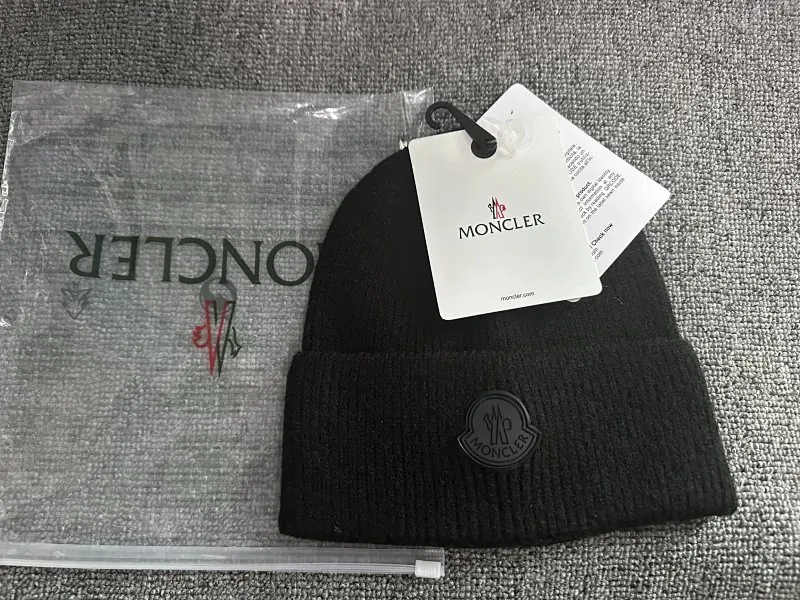
| Ribbed Logo Beanie | Beanie | $7.59 | $250–340 |
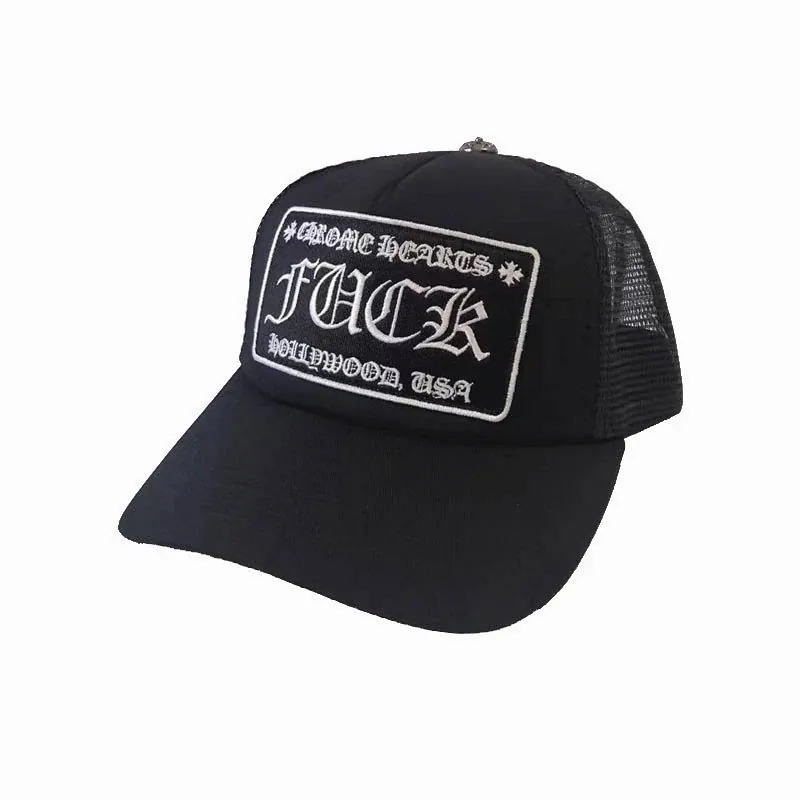
| Mesh Trucker Cap | Trucker | $8.82 | $200–450* |
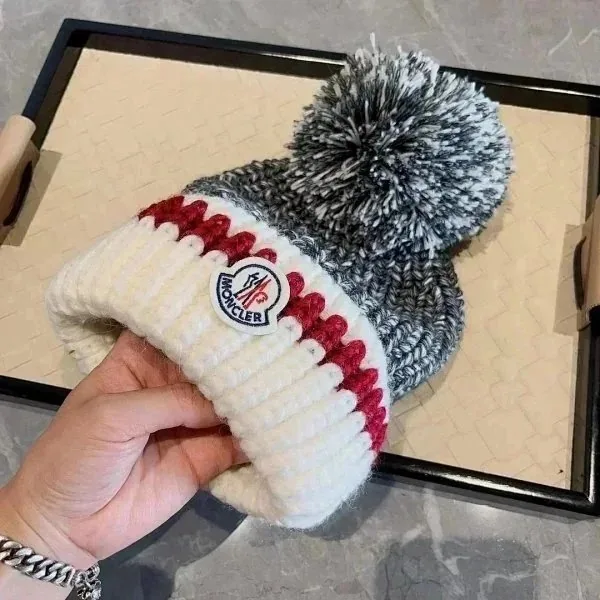
| Bobble Pom Beanie | Beanie | $9.97 | $355–495 |
| Old-English Snapback | Snapback | $11.95 | $200–450* |
| Monogram Baseball Cap | Baseball cap | $15.15 | $390–550 |
| Face-Mask Beanie | Balaclava | $15.82 | $25–70 |
| Thick Ribbed Beanie | Beanie | $18.98 | $250–340 |
| Nylon Baseball Cap | Baseball cap | $22.19 | $650–775 |
| Denim Star Cap | Cap | $22.63 | $390–650 |
| Check Baseball Cap | Baseball cap | $23.30 | $390–650 |
Browse all reps accessories, caps & beanies →
Retail figures are official and authorized-retailer prices checked July 2026 — New Era ($45–65), Lacoste ($60) and C.P. Company ($180) are the cleanest live anchors; Gucci, Prada, Moncler and Burberry ranges come from authorized retailers (Nordstrom, Farfetch, Saks, SSENSE) because the brand sites block scraping, so they are honest ranges, not point prices. *Chrome Hearts-style trucker and snapback figures are resale prices — Chrome Hearts has no official store, so there is no MSRP to quote.
The one rule: the logo is the whole hat
Before any pick, understand why caps break the usual reps logic. With most categories, quality lives in the make — the fabric of a tee, the taped seams of a jacket, the lens of a pair of sunglasses. A cap has almost no make to get wrong. A six-panel crown, a curved brim and a snap are trivial to produce well, and a $6 rep will feel much like a $60 original in the hand. The entire question is the badge.
That flips the bags rule on its head. There, a blank piece is smart because there is no logo to align and no infringing mark to carry. Here, the logo is the product — nobody buys a plain cap for its plainness the way they buy a plain tote — so a good cap rep is one where the embroidery is right, and a bad one is one where it isn't. And embroidery is exactly the corner a cheap factory cuts. Here is what actually separates a $23 rep worth wearing from a $4 one that looks fake up close:
- Density. Good embroidery is packed so tight the thread fully covers the fabric — you should not see the base cloth peeking between stitches. Thin, gappy stitching is the number-one tell of a rushed cap.
- Stitch, not print. A real logo is embroidered or a stitched-on woven patch. A cheap rep sometimes prints the logo or heat-presses a flat patch and hopes you won't notice. In a QC photo, a printed logo looks too smooth and flat — real thread has texture and a slight raised edge.
- 3D done right. Puff (raised) embroidery should be even and firm across the whole logo. Lumpy, collapsing or uneven puff is where reps of New Era-style fronts most often fail.
- Placement and clean edges. The logo should be centred, straight and correctly spaced, with no loose threads, no fraying and no smudged outline. This is the same alignment check you'd run on a crest or a swoosh anywhere else on the site — it just is the whole cap here.
Get those right and the rest of the cap takes care of itself. That is why the picks below are grouped by type, not by brand: the type decides the shape you'll wear, and the embroidery — which you check in QC — decides whether the rep is any good.
Pick by type
Shop the shape you'll actually reach for. Here are the picks, grouped the way you should think about them.
Baseball caps — the structured everyday
The structured baseball cap is the default hat: a firm front panel, a curved brim, an adjustable back. The make barely varies between a $15 rep and a $500 original, so this is where the logo-is-everything rule bites hardest — and where the savings are largest. The GG monogram cap at $15.15 echoes a Gucci cap that retails $390–$550; the nylon cap at $22.19 stands in for a Prada Re-Nylon that runs $650–$775; and the check baseball cap at $23.30 sits against a designer check cap in the $390–$650 band. On all three, ignore the shelf price and go straight to the QC photo of the front: is the monogram weave clean and repeating correctly, is the triangle plate crisp and level, is the check pattern aligned across the panel seams? That is the buy.
Truckers and snapbacks — mesh, foam and a flat brim
A trucker swaps the back panels for mesh and stiffens the front with foam; a snapback keeps a flat brim and a plastic-snap closure. Both are one-size and forgiving, and both live or die on the front graphic. The mesh trucker at $8.82 carries a Chrome Hearts-style front patch — and here's the honest note: Chrome Hearts has no official store, so the $200–$450 you'll see quoted is resale, not retail, and a rep at $8.82 is a fraction of even that. The Old-English snapback at $11.95 is the same story in a five-panel flat-brim shape. On both, the patch or embroidery is the entire product: check the stitch density and that the lettering is sharp, not blobby.
Statement caps — buy the embroidery, wear it loud
Some caps are bought to be seen. The denim star cap at $22.63 is a washed-denim shape with heavy stars-and-horseshoe embroidery front and centre — a designer statement cap that retails in the $390–$650 band. This is the pick where the embroidery is the reason you're buying, so scrutinise it hardest: the raised work should be dense and even, the wash should look intentional not patchy, and the brim should sit flat. Get a good QC shot and it's the loudest value on this list.
Beanies — knit, no structure, all patch
A beanie has no panels, no brim and no closure — it's a tube of knit that stretches to any head, so fit is a non-issue and the only things to judge are the knit and the patch. Start cheap with the knit goggle beanie at $5.05, a C.P. Company-style cap (the real goggle beanie is $180) with the little lens badge on the side. Step up through the ribbed logo beanie at $7.59 and the thick ribbed beanie at $18.98, both Moncler-style against a $250–$340 original, and the bobble pom beanie at $9.97, which echoes a luxury pom beanie in the $355–$495 range. In QC, look for a tight, even knit with no dropped stitches or thin patches, and a patch that's cleanly and securely sewn — a loose or crooked patch is the giveaway on an otherwise good beanie.
Balaclavas — function first, logo last
A balaclava or face-mask beanie is the one headwear type where the logo matters least, because you're buying coverage and warmth. The balaclava ski mask at $5.91 and the face-mask beanie at $15.82 both stand against a $25–$70 functional streetwear band (luxury-brand versions run $300+). Judge these on the knit and the fit of the opening, not on a badge — a well-made one is warm, stretches to sit right, and doesn't itch. They're the cheapest way to add a winter piece to an order.
The 60-second QC check for caps and hats
Reading a cap in QC is almost entirely about the logo, with a quick structure check after. Do it in this order:
- Zoom the logo first. Density (thread covers the fabric, no gaps), stitch-not-print (texture and a raised edge, not a flat smooth patch), even 3D puff, centred placement and clean edges. This is 80% of the decision.
- Check the front panel holds shape. On a structured cap, the front should stand up on its own — a caving, soft front means weak buckram that'll only get worse. A trucker's foam front should be firm; a dad hat is meant to be soft, so that's fine.
- Brim and seams. The brim should be flat and undamaged, the panel seams even, the button on top neat. On a check or monogram cap, confirm the pattern lines up across the seams.
- Closure works. The snap clicks and holds, the buckle isn't flimsy, a fitted band is fully stitched. On a beanie, the knit is even and the patch is securely sewn.
What a photo can't show is the sweatband quality and how the shape ages — but at these prices those rarely decide the buy. Approve on the logo and the panel; that's where a cap is won or lost. The same "one thing decides it" logic runs through every category: slides come down to fit, tech to whether it has a circuit, bags to going blank. Caps come down to the stitch.
Sizing: the easy part
Here's the good news that makes caps one of the lowest-risk things you can rep: almost all of them adjust. A snapback fits nearly everyone on its plastic snap; a strapback slides on a buckle; a beanie stretches; a balaclava is one-size. The only style with a real sizing risk is a fitted cap — a New Era 59FIFTY-type in set sizes — which has to match your head, so measure your circumference and order to it if you go fitted. Every other pick on this list is adjustable, so fit is the least of your worries. That's the exact opposite of slides, where sizing is the whole game — with most hats, you just wear it.
The savings, honestly
The value in reps caps is real and it's biggest exactly where the make is simplest and the logo is most of the price:
- Designer caps are the blowout. A $22.19 nylon cap against a $650–$775 Prada, or a $15.15 monogram cap against a $390–$550 Gucci, is a genuine fraction-of-the-price win — because the cap's make is trivial and you're mostly paying for the badge.
- Luxury beanies are nearly free to echo. A $5.05 goggle beanie against a $180 C.P. Company, or a $18.98 ribbed beanie against a $250–$340 Moncler, is knitwear at a tenth or less of retail.
- Resale-only pieces have no retail to beat. The $8.82 trucker echoes a Chrome Hearts style that only exists on the resale market — so the "saving" is against a $200–$450 resale tag, not a store price. Worth knowing so the comparison stays honest.
- The logo is the catch and the point. The whole saving assumes the embroidery is good. A cap with a gappy or printed logo is worth exactly nothing no matter how cheap — so the QC photo of the front is the only check that matters.
Ready to order?
- Pick a type above and open its page — a beanie is the safest, cheapest first buy; a structured cap is where the savings are biggest.
- Click through to Kakobuy — or swap to any of the 15 agents we support on the product page.
- Choose the colour if there's an option, then wait for the QC photo.
- Zoom the logo, check the embroidery and panel structure, confirm the closure, approve it, then pay shipping to your country.
New to agents? Start with the full how to use Kakobuy guide, then browse all accessories and caps, or see the wider best Kakobuy finds across every category. Because hats ship light, our shipping guide shows how to tuck a cap or two into a bigger order without pushing the freight up.
Frequently asked questions
How much do reps caps and hats cost on Kakobuy?
They run from about $5.05 for a knit beanie up to roughly $23 for a structured designer-style baseball cap, with most sitting in the $8–$20 band. Against the hats they echo, that is a rounding error: a New Era 59FIFTY fitted is $45–$65, a Lacoste knit beanie is $60, a C.P. Company goggle beanie is $180, a Moncler beanie is $250–$340, a Gucci monogram cap is $390–$550, and a Prada Re-Nylon cap is $650–$775. But a cap is almost entirely its logo, so read this guide for the one thing that actually decides a good rep from a bad one — the embroidery.
What separates a good reps cap from a bad one?
The stitch. A blank six-panel cap is a $3 commodity; ninety-five percent of what you are paying for is the badge, and the badge is exactly where a cheap rep falls apart. In the QC photo, zoom the logo and check four things: embroidery density (the stitches should be tight and fully cover the fabric with no gaps showing through), 3D vs. flat (raised puff embroidery should be even and firm, not lumpy), placement and alignment (centred, straight, correct spacing) and clean edges (no loose threads, no fraying, no print pretending to be stitch). A cap where the logo is crisp and dense is a good rep. A cap where the logo puckers, shows fabric between stitches or is actually printed is the one to reject. This is the opposite of buying a bag, where blank beats branded — with a cap, branded is the whole point, so the logo has to be right.
Do I need to worry about sizing with reps caps?
Far less than with almost anything else, because most hats adjust. A snapback has a plastic snap and fits nearly everyone; a strapback has a leather or metal buckle you slide; a beanie is knit and stretches; a balaclava is one-size. The only style with real sizing risk is a fitted cap (a New Era 59FIFTY-type), which comes in set sizes and has to match your head — measure your head circumference and order to it. For everything else, fit is the least of your worries, which makes caps one of the lowest-risk reps categories going. That is the mirror image of slides, where sizing is the whole game.
How do I QC a cap or beanie?
Judge the logo first, then the structure. On the logo: zoom in and check the embroidery is dense, raised evenly, correctly placed and clean-edged, with no printed patches pretending to be stitched. On the structure: a baseball cap should have a firm front panel that holds its shape (weak buckram caves after a few wears), a flat, undamaged brim, and even panel seams; a beanie should have a tight, consistent knit with no dropped stitches and a securely sewn patch; a trucker should have neat mesh with no snags. Check the closure works — the snap clicks, the buckle holds, the fitted band is fully stitched. What a photo cannot show is the sweatband quality and how the shape ages, but those rarely matter at these prices. Approve on the logo and the panel structure.
Are branded caps a customs risk?
A logo cap carries a trademark mark, and that is the part customs care about — the same distinction we draw in the bags guide. A cap bearing a registered brand logo can, in principle, be treated as counterfeit at the border; a blank cap carries no infringing mark. This is a real practical difference, not a promise: rules vary by country and a parcel can always be checked for other reasons, so treat it as context, not legal advice. In practice caps are small, light and cheap, most parcels pass, and QC lets you approve the piece before you pay shipping — but if you want the lowest-friction option, a blank or subtle-logo cap is it.
How do I buy a cap on Kakobuy?
Open the product page, click through to Kakobuy or whichever of the 15 agents you prefer, pick the colour if there is a choice, and wait for the QC photo. Zoom the logo, check the embroidery and the panel structure, confirm the closure, approve it, then pay shipping. Our how-to-use guide covers sign-up, the coupon and the shipping lines. Caps and beanies are among the lightest, cheapest things to ship, so they are the perfect thing to tuck into a bigger jersey or streetwear order — a hat or two barely moves the freight.