
Best Reps Bags to Buy on Kakobuy
Every reps-bag spreadsheet points you at the same thing: a fake Louis Vuitton, a fake Goyard, a monogram you have seen a thousand times. This guide argues the opposite. For bags — and only for bags — blank beats branded. The smartest picks in the 430+ bags on Kakobuy Drop are the plain, logo-free carriers: totes, crossbodies, backpacks, gym and travel bags, card holders. They are the easiest to get a perfect QC on, the lowest-risk to import, and they still cost a fraction of a plain retail bag — from $4.79, each with real QC photos.
Which reps bags are worth buying?
Ranked by price, cheapest first — with the retail price of the equivalent logo-free bag from a mainstream contemporary brand next to each, so you can see the gap before any designer logo enters the picture:
| Pick | Type | Price | Plain retail |
|---|---|---|---|
| Slim Leather Card Wallet | Card holder | $4.79 | $50–100 |
| Everyday Backpack | Backpack | $11.03 | $100–140 |
| Bifold Card Wallet | Card holder | $12.46 | $50–100 |
| Street Commuter Backpack | Backpack | $14.96 | $100–140 |
| Gym Bag with Shoe Compartment | Gym bag | $19.02 | $60–130 |
| Utility Crossbody / Sling | Crossbody | $22.21 | $80–150 |
| Everyday Leather Crossbody | Crossbody | $22.78 | $148–200 |
| Laptop Travel Bag | Travel bag | $27.15 | $100–250 |
| Laptop / Work Bag | Work bag | $27.15 | $120–200 |
| Leather Tote | Tote | $43.72 | $275–300 |
| Leather Waist / Belt Bag | Belt bag | $69.03 | $100–200 |
| Structured Camera Bag | Camera bag | $82.46 | $100–250 |
Why blank beats branded — the case for logo-free bags
Almost every other reps category is about a logo. A jersey lives or dies on the crest; a sneaker on the swoosh or the three stripes; a hoodie on the brand across the chest. Bags are the exception, and it changes the whole calculation. Here is the case for buying the plain version, in three parts.
1. A plain bag is the easiest thing to QC. On a jersey, a millimetre-off crest gives the whole thing away. On a bag with a fake monogram, the pattern alignment, the exact logo font and the heat-stamp are all places it can fall down. A plain leather tote has none of that. The factory only has to do the fundamentals well — good leather-look, clean hardware, straight stitching — and there is no trademark to get subtly wrong. That makes the blank bags the single most reliable pass rate in the catalogue when you read the QC photos.
2. A plain bag carries no infringing mark. This is the honest, non-dramatic version of the customs point. Customs authorities seize counterfeits because they bear a fake version of a trademark a brand has recorded with them. A bag with no logo is not a counterfeit of anything — there is no mark to infringe. That is a genuine practical difference from a bag plastered in a fake monogram. It is not a legal guarantee and it is not advice; parcels can be checked for other reasons and rules vary by country. But it is exactly why the sensible place to start is blank.
3. The shape is what people actually see. Day to day, nobody reads the logo on your bag — they clock the silhouette. A well-made plain crossbody or structured tote reads as expensive on the strength of its shape, leather and hardware alone. You are buying the thing that actually does the work of looking good, and skipping the one part — the fake logo — that adds all the risk and none of the function.
The savings, without chasing a logo
Run the numbers and the case gets stronger. These are not compared against fake designer bags — they are compared against the plain bags real brands sell:
- The $43.72 leather tote is closing a retail price of roughly $275–$300 — that is what a plain leather tote costs at Everlane or Cuyana. One-seventh of the price for the same everyday shape.
- The $22.78 leather crossbody is against a $148–$200 plain crossbody from Madewell or Everlane.
- The $11.03 everyday backpack is against a $100–$140 Herschel commuter pack.
- The $4.79 card wallet — the cheapest thing in this guide — is closing a $50–$100 slim leather wallet from a brand like Bellroy.
And that is before you even mention the logo bags these shapes echo. A plain designer canvas tote — the kind the monogram versions are built on — retails around $1,700–$2,250. You do not need to chase a risky fake of that to get the shape. The blank rep gives you the silhouette for the price of a coffee round, with none of the trademark baggage. That is the whole argument in one line.
Retail figures above are current official prices (checked July 2026) for logo-free bags from mainstream contemporary brands — Everlane, Cuyana, Herschel, Bellroy, Away — not resale and not luxury houses. They are the honest comparison for a plain bag. The ~$1,700–$2,250 luxury figure is the current retail of a plain designer canvas tote, for context only.
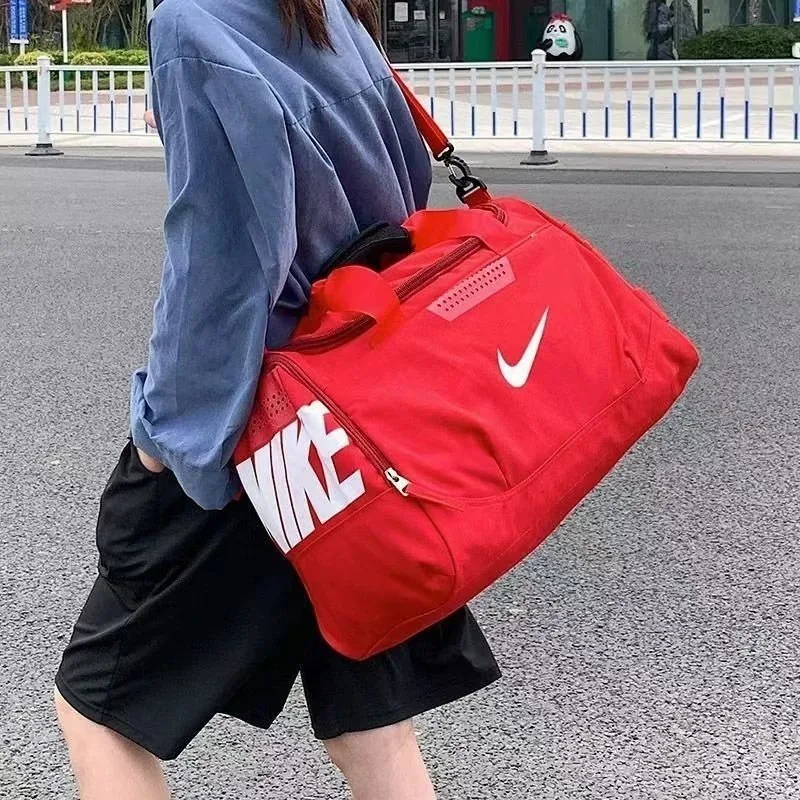
The QC that actually matters on a bag
Because there is no logo to chase, judging a bag in QC comes down to four fundamentals. Look at them in this order:
- Material. This is the number-one tell. Leather should photograph as leather — a matte, slightly irregular grain — not the shiny, uniform plastic look of cheap PU. On a nylon backpack or travel bag, the fabric should look dense and structured, not thin and papery.
- Hardware. Zips are the moving part that fails first, so check the pull runs cleanly in the photos, and that buckles, clasps and D-rings look solid rather than hollow and lightweight. Good hardware is what separates a $23 bag that lasts from one that does not.
- Stitching. Run your eye along the seams and, especially, where the handles or strap meet the body — that is the highest-stress joint on any bag. Stitching should be straight and even, with no loose threads. Uneven stitching at the handle is the classic weak point.
- Structure and lining. Does the bag hold its shape in the photos, or does it slump? Is the interior actually finished — a proper lining, clean edges? A well-built structured bag looks the same empty as full.
None of this is hard, and the QC photo is free — you approve it before you pay for shipping. With a plain bag there is nothing subtle to miss: it either does the four things well or it does not.
The bag types, and who each is for
The blank bags on Kakobuy Drop split into a handful of clear types. Pick by what you carry, not by a logo:
- Card holders and slim wallets — the leather card wallet at $4.79 and the bifold at $12.46. The cheapest way to try the category, and the item where a plain design genuinely looks best. A great add-on to fill out an order.
- Everyday crossbodies — the leather crossbody and the utility sling. The most-worn bag type for most people; the leather version at $22.78 is the standout value in this guide against a $150–$200 retail.
- Backpacks — the everyday pack at $11.03 and the street commuter. For the commute, the gym or class. Check the nylon density and the zips in QC.
- Gym and travel bags — the gym bag with a shoe compartment and the laptop travel bag. Function-first pieces where a plain design is exactly what you want anyway. Both are light to ship.
- Work and laptop bags — the laptop bag. A structured everyday carrier for a 13–15" laptop; the plain look is the professional look.
- Totes — the leather tote at $43.72. The biggest absolute saving in the guide against a $275–$300 plain retail tote, and the shape that reads most expensive.
- Statement pieces — the leather waist bag and the structured camera bag. The pricier end at $69–$82, for when you want a bag that is the outfit rather than a background piece.
The one category that ships cheap
Everything above is in the plain bag's favour, and shipping is no exception — this is where bags beat every other category. Agents charge for freight by weight, and most bags are light. A card wallet weighs almost nothing; a folded nylon backpack or a crossbody is a fraction of the weight of a padded jacket, the heaviest thing in the catalogue. That makes bags close to the cheapest category to ship, and it makes the small ones — wallets, card holders, slings — the single best way to top up an order without pushing the freight line up. The exceptions are a structured leather tote or a rolling case, which carry some weight; a card holder adds effectively nothing. Our shipping guide breaks down the lines and the weight brackets.
Ready to order?
- Pick a bag above and open its page.
- Click through to Kakobuy — or swap to any of the 15 agents we support on the product page.
- Choose the colour, pay for the item, and wait for the QC photo.
- Check the material, hardware, stitching and structure, approve the QC, then pay shipping to your country.
New to agents? Start with the full how to use Kakobuy guide, then browse all bags, or see the wider best Kakobuy finds across every category.
Frequently asked questions
How much do reps bags cost?
Bags on Kakobuy Drop run from about $4.79 for a leather card wallet up to roughly $82 for a structured camera bag, with most everyday carriers — crossbodies, backpacks, gym and travel bags — sitting between $11 and $45. The equivalent logo-free bag from a mainstream contemporary brand costs far more: a leather tote is $275–$300 at Everlane or Cuyana, a canvas commuter backpack is $100–$140 at Herschel, a leather crossbody is $148–$200, and a slim leather card holder is $50–$100. So even before you look at any designer logo, a rep is a fraction of a plain retail bag.
Are blank, logo-free bags better to buy than branded ones?
For reps, yes — and this is the one category where that is true. Three reasons. First, a plain bag has no logo to misalign, so it is the easiest thing in the whole catalogue to get a flawless QC on; the factory only has to make good leather-look and clean hardware, not nail a trademark. Second, a bag with no fake logo carries no infringing mark, which is a genuine practical difference at customs. Third, the shape is what people actually notice day to day — a well-made plain tote or crossbody reads as expensive without ever needing a monogram. The whole reps-bag spreadsheet world chases fake Louis Vuitton and Goyard; the smarter buy is the blank version of the same shape.
What should I check in the QC photos of a bag?
A bag is actually one of the simplest items to judge in QC, because there is no logo to scrutinise. Look at four things: the material (leather should photograph as leather — matte grain, not shiny plastic; nylon should look dense, not flimsy), the hardware (zips should run cleanly and the buckles and clasps should feel substantial, not hollow), the stitching (straight, even, no loose threads at the seams and handle joints), and the lining and structure (does the bag hold its shape, is the interior finished). Because you are not chasing a trademark, a good plain bag either passes all four or it does not — there is nothing subtle to miss.
Are reps bags a customs risk?
A logo-free bag is genuinely the lowest-risk thing to import, and here is the accurate reason, not a scare story. Customs authorities like US CBP seize counterfeits because they bear a fake version of a trademark that a brand has recorded with customs. A plain, unbranded bag carries no infringing mark, so it is not a counterfeit of anything. That is a real, practical difference from a bag covered in a fake monogram. It is not a legal guarantee — rules differ by country and a parcel can be checked for other reasons — but it is exactly why the blank picks in this guide are the sensible ones to start with.
Do reps bags cost much to ship?
This is where bags win outright. Agents charge by weight, and most bags are light — a wallet, a crossbody or a folded nylon backpack weighs a fraction of a padded jacket. Bags are close to the cheapest category to ship in the whole catalogue, the opposite of outerwear. A structured leather tote or a rolling case is the exception, but a card holder or a crossbody adds almost nothing to your freight. If you are building an order, a couple of small bags are the cheapest way to fill it out.
How do I buy a bag on Kakobuy?
Open the product page, click through to Kakobuy or whichever of the 15 agents you prefer, choose the colour, then wait for the QC photo. Check the material, hardware, stitching and structure, approve it, then pay shipping. Our how-to-use guide covers sign-up, the coupon and the shipping lines.