
Football Jersey Size by Height and Weight
Nobody actually asks "where is your size chart". What people ask, over and over, is "I'm 5'8 and 140 lbs, should I get small or medium?" — and the honest reason a chart alone does not answer that is that a football shirt is built around one measurement, and it is not your height or your weight. It is your chest. This page does two things a size chart does not: it converts the height-and-weight question into a chest-first answer you can act on in sixty seconds, and it tells you how far each cut we sell — fan, player, women's, kids, goalkeeper, retro — moves away from the baseline. Then it works through the actual questions people have sent us, with the sizes we would give them.
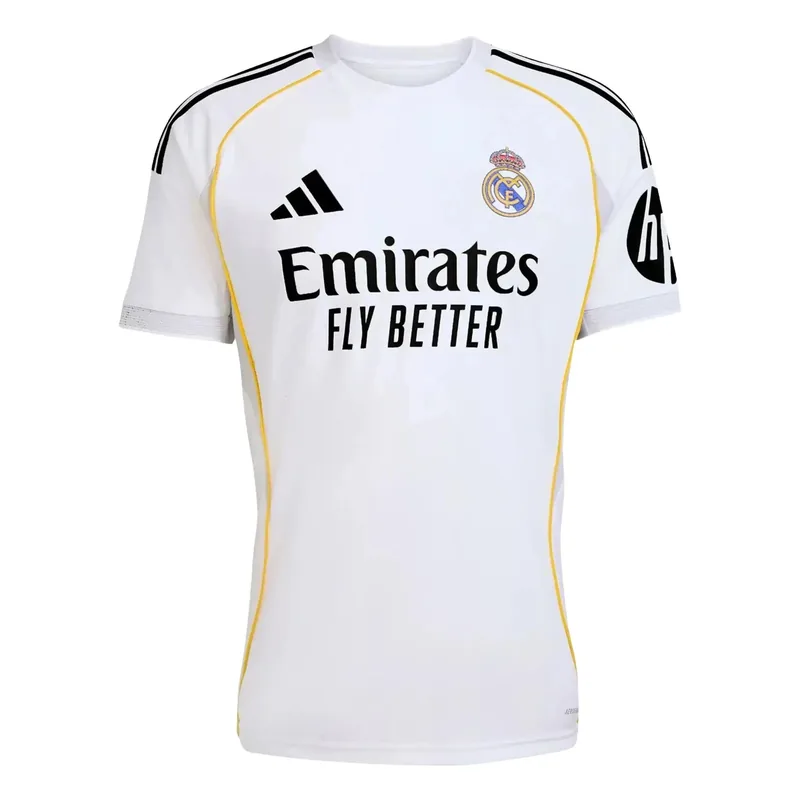
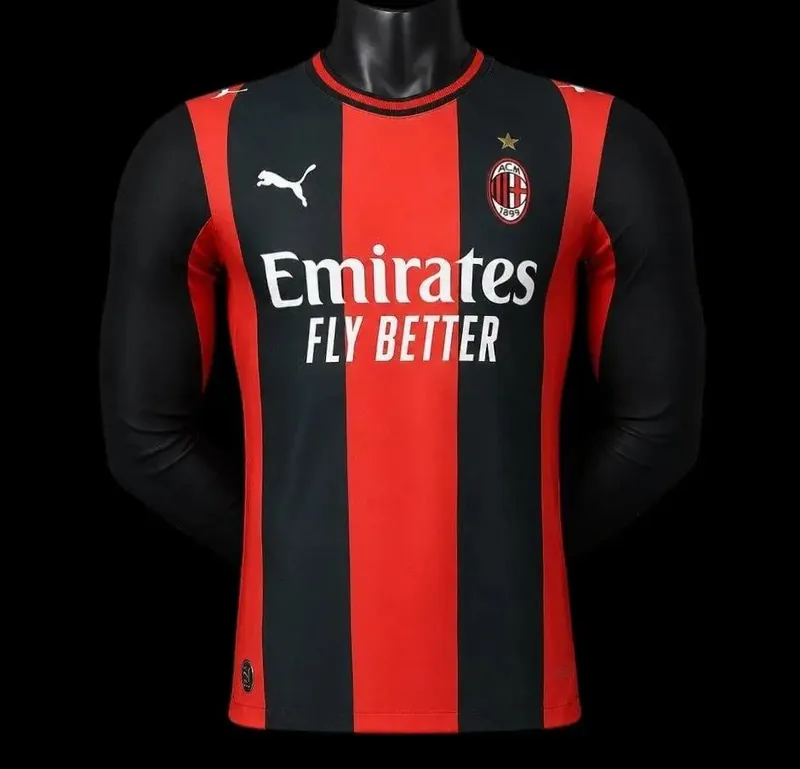
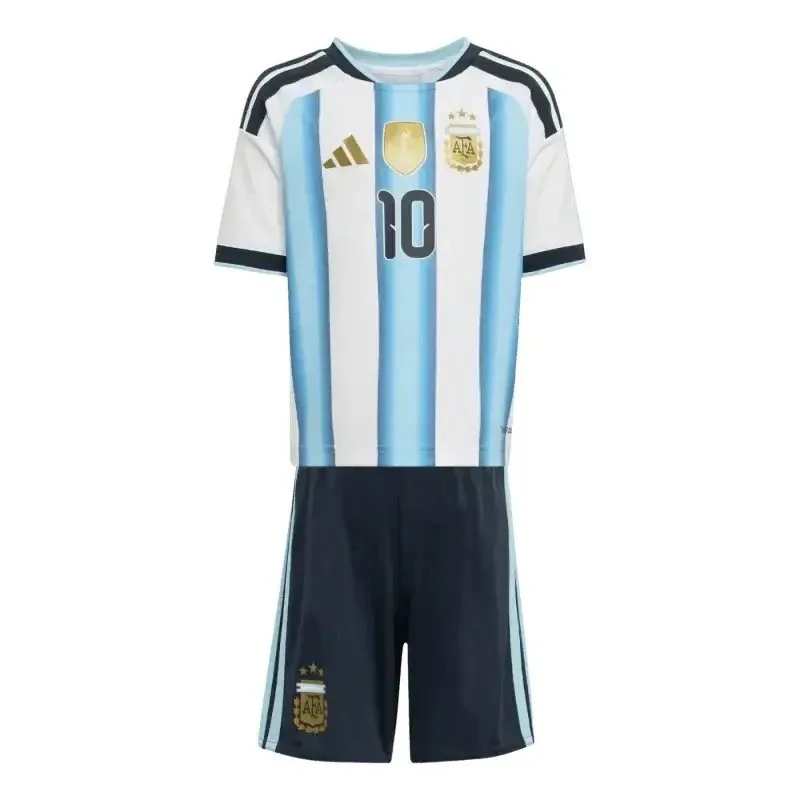
Start here: the only chart that matters
Every shirt on this site is made to Asian sizing, which runs roughly one full size smaller than the EU or US label you are used to. That single fact is behind most of the wrong orders in this category. Our medium is closest to a Western small.
| Size on the listing | Chest (cm) | Length (cm) | Closest EU/US label |
|---|---|---|---|
| S | 96–100 | 68 | XS |
| M | 100–104 | 70 | S |
| L | 104–110 | 72 | M |
| XL | 110–116 | 74 | L |
| 2XL | 116–122 | 76 | XL |
| 3XL | 122–128 | 78 | 2XL |
These are garment measurements — the chest figure is the shirt laid flat and doubled, not your body. That is why a 100 cm chest figure does not mean a 100 cm chest fits it exactly; you want a few centimetres of ease on top of your own measurement.
Height and weight get you to the right neighbourhood, not the right door
Two people who both weigh 150 lbs can need different shirts, because weight tells you how much of someone there is and nothing at all about where it sits. A lean 5'11" runner and a stocky 5'7" gym-goer at the same weight have chest measurements that can differ by ten centimetres — a full size and a half on the chart above.
So use height and weight the way we do below: as a first estimate that gets you within one size, then confirm with a measurement. Here is the estimate we would give, and every one of these is a real question someone has asked us:
| The question we were asked | Estimated chest | Our answer |
|---|---|---|
| 5'7", 61 kg — "should I stick to small?" | ~89–94 cm | M (S only if you want it tight) |
| 5'8", 140 lbs — "small or medium?" | ~91–96 cm | M |
| 5'9", 150 lbs, "slight muscular build" | ~97–102 cm | L (M if you like it fitted) |
| 5'10", 165 lbs, "I like a relaxed fit, usually a large" | ~101–106 cm | L, or XL for genuinely relaxed |
| 154 cm, 52 kg (women's) | ~84–88 cm | S, or kids 160 for a closer fit |
| Child about 45 inches tall | 114 cm tall | Kids 116 — buy the band above the measurement |
Chest estimates are exactly that — estimates from height and build, not measurements of the individual. They are here to get you to the right row. The sixty-second check below is what confirms it.
The sixty-second check that beats every estimate
You do not need to measure your body. Measure a shirt you already own and already like the fit of — that shirt has already made the decision for you.
- Lay it flat on a bed and smooth it out. No stretching.
- Measure straight across from armpit seam to armpit seam. Double it. That is the chest figure the chart is quoting.
- Measure from the highest point of the shoulder straight down to the hem. That is the length figure.
- Find the row on the chart that matches, and order that size.
If the two numbers point at different rows — the chest says L and the length says M — go with the chest. Length is forgiving on a shirt worn untucked; a chest that is two centimetres short is not.
The five cuts, and how far each one moves
This is the part a single chart cannot capture, and it is where most of the remaining mistakes happen. The chart above describes the fan version. Everything else moves from there.
- Fan version — the baseline. A straight-cut, relaxed shirt in a heavier knit. This is what a standard listing gives you at $14.06, and the chart applies as written. If you are buying your first shirt from us, buy this and learn where you sit on the chart before you experiment.
- Player version — take one size up. The player-version shirts at $22.21 are cut to a body: narrower chest and waist, shorter body, tighter sleeve opening, lighter and more elastic fabric. That is not a defect, it is the point — it is a copy of what a professional wears. But it means your fan-version size will feel like a compression top. Go one size up, and note that the usual "size up when in doubt" rule inverts here in the other direction: an oversized player version does not read as relaxed, it reads as wrong, because the shaping seams land in the wrong place. Our full player version vs fan version guide covers the fabric and build differences.
- Women's cut — a different pattern, not a smaller shirt. A genuine women's football shirt is shaped through the waist with a narrower shoulder seam, a higher armhole and often a curved hem. Because the pattern differs, a women's medium is not comparable to a men's medium — go by the chest figure on that listing's own chart. And if what you actually want is the oversized look most people wear these in, the men's fan version in your chest size gets you there more reliably.
- Kids — buy by height, in bands. Kids' shirts are sized 116, 128, 140, 152, 164 and so on, and those numbers are centimetres of child, not age. Measure against a wall without shoes and take the band above the measurement. One band up buys a season of growth; two bands up buys a nightshirt.
- Goalkeeper — usually cut roomier, sometimes longer in the sleeve. Keeper shirts are designed to be dived in, so the body is generally more generous than an outfield shirt of the same label, and long-sleeve versions run long deliberately. Stay in your normal size; do not size up on top of a cut that is already roomy.
One more that behaves differently: retro shirts. A reproduction of a 1990s shirt is copying a decade when football shirts were cut boxy and wide — short in the body, huge in the sleeve. If you want a retro shirt to look like the era, order your normal size and let it be boxy. If you want it to look modern, size down one. Our retro guide covers which eras were cut widest.
Sizing questions that are not really about size
Three things come up so often alongside the size question that they belong here.
- "Did you get your normal size or size up?" — Our answer is that "normal size" is not portable across brands, let alone across an ocean. The label on your last shirt is a bad input; the flat measurement of that shirt is a good one. This is the single highest-value habit in the whole category.
- "Should I size up if I want the fan version?" — No. Sizing up is the adjustment for the player version. The fan version is the baseline the chart describes.
- "Do you have measurements for this kit?" — Nearly every listing carries a centimetre chart in its images. If it does not, or the photo is unreadable, ask for a flat-lay measurement shot when you request QC photos — that is exactly what QC is for, and it happens before you pay for shipping.
What sizing wrong actually costs here
Worth stating plainly, because it changes how much care this deserves. A shirt from us is $14.06. An official replica sits at roughly £60–85 / $100–125 at launch and an authentic player-issue shirt at roughly £120–130 / $175–190. So getting the size wrong on a fourteen-dollar shirt is a fourteen-dollar mistake, not a hundred-dollar one — which is genuinely why a lot of people buy their first one here to learn where they sit on the chart before spending more elsewhere.
But there is no return path worth using on a parcel that has crossed an ocean, so the cost is not really the money — it is that the shirt you wanted is now a shirt you do not wear. Sixty seconds with a tape avoids it. And if you are ordering several shirts, get one right first and then order the rest in that size, rather than buying five at once in a size you are guessing at.
Ready to order?
- Measure a shirt you already like, flat, armpit to armpit, and double it.
- Find that number on the chart at the top and note the size.
- Adjust for the cut: +1 size for player version, no change for fan or goalkeeper, height bands for kids, that listing's own chart for women's.
- Order through Kakobuy, or swap to any of the 15 agents we support from the product page.
- When the QC photo arrives, ask for a flat-lay with the tape across the chest if you want to be certain before it ships.
New here? Start with how to use Kakobuy, then browse the full football shirt catalogue. Our original size guide has the conversion tables in more detail, custom name and number printing explains what changes when you add printing, and best Kakobuy finds collects the strongest picks across every category.
Frequently asked questions
I'm 5'8 and 140 lbs — what size football jersey should I get?
A medium, in almost every case. At 173 cm and 63 kg your chest is likely somewhere around 91–96 cm, and on the Asian sizing these shirts are cut to, a medium covers 100–104 cm of chest. That sounds like a lot of room until you remember two things: this is a shirt you pull over your head with no fastenings, and the sizing runs roughly one size smaller than the EU/US label you are used to. Our medium is closest to a Western small. Take the small only if you want it genuinely fitted and you are ordering the fan version, and never take the small in a player version, which is cut athletically tight on top of already being small.
Is your size chart the same for the player version?
No, and this is where most people get it wrong. The fan version is a relaxed, straight-cut shirt and the chart works as written. The player version is cut to a body shape — narrower through the chest and waist, shorter in the body, tighter at the sleeve opening — because it is a copy of what a professional wears at match speed. Practically, take one size up from your fan-version size if you want the player version to sit the same way. If you normally buy our medium, buy the large. The usual advice about sizing up when you are between sizes also flips here: an oversized player version does not look relaxed, it looks like the wrong shirt, because the panel seams that shape it end up in the wrong places.
What size should I buy for my kid?
Buy by height, not age, and definitely not by the age printed on any chart. Kids' football shirts are sized in height bands — a child of about 45 inches is roughly 114 cm, which lands in the 116 band on the sizing these shirts use. Measure your child standing against a wall without shoes, take the centimetre figure and pick the band above it, not below. One year of growth is roughly 5–6 cm at primary-school age, so a single band up buys you a season; two bands up buys you a shirt that looks borrowed. If you are buying a name and number, size closer rather than bigger, because printing is what makes an outgrown shirt hard to hand down.
Do the women's shirts fit differently?
Yes, when they are genuinely women's cut, and that is worth checking. A real women's football shirt is a different pattern, not a small men's shirt: it is shaped through the waist, the shoulder seam sits narrower, the armhole is cut higher and the hem is often curved. That changes which size you take, because a women's medium is not comparable to a men's medium. The practical rule is the same as everywhere else on this page — go by your chest measurement in centimetres, and read the listing's own chart rather than the letter. If you want a relaxed, oversized look, which is how most people wear these, the men's fan version in your chest size will get you there more reliably than sizing up in the women's cut.
Should I size up if I'm between two sizes?
Usually yes for the fan version, usually no for the player version, and always no if the number that put you between sizes was your weight rather than your chest. Weight is a poor predictor of shirt size because it says nothing about where the mass sits — two people at 150 lbs, one narrow and lean and one broad and muscular, need different shirts. Chest circumference is what the garment is actually built around. If your chest measurement lands right on a boundary, the tiebreaker is what you are going to wear it for: over a hoodie or a training top, size up; on its own in summer, stay where you are.
How do I check the size without a tape measure?
Use a shirt you already own and like the fit of. Lay it flat on a bed, smooth out the wrinkles, and measure straight across from armpit seam to armpit seam. Double that number and you have the chest circumference of the garment — which is the number the chart is quoting, not your body measurement. Then measure from the highest point of the shoulder straight down to the hem for length. Two numbers, sixty seconds, and they beat any guess based on height and weight because they are measurements of a shirt you have already decided fits. If you do not own a tape, a phone charging cable and a ruler will do; you only need the number to be right within a couple of centimetres.